
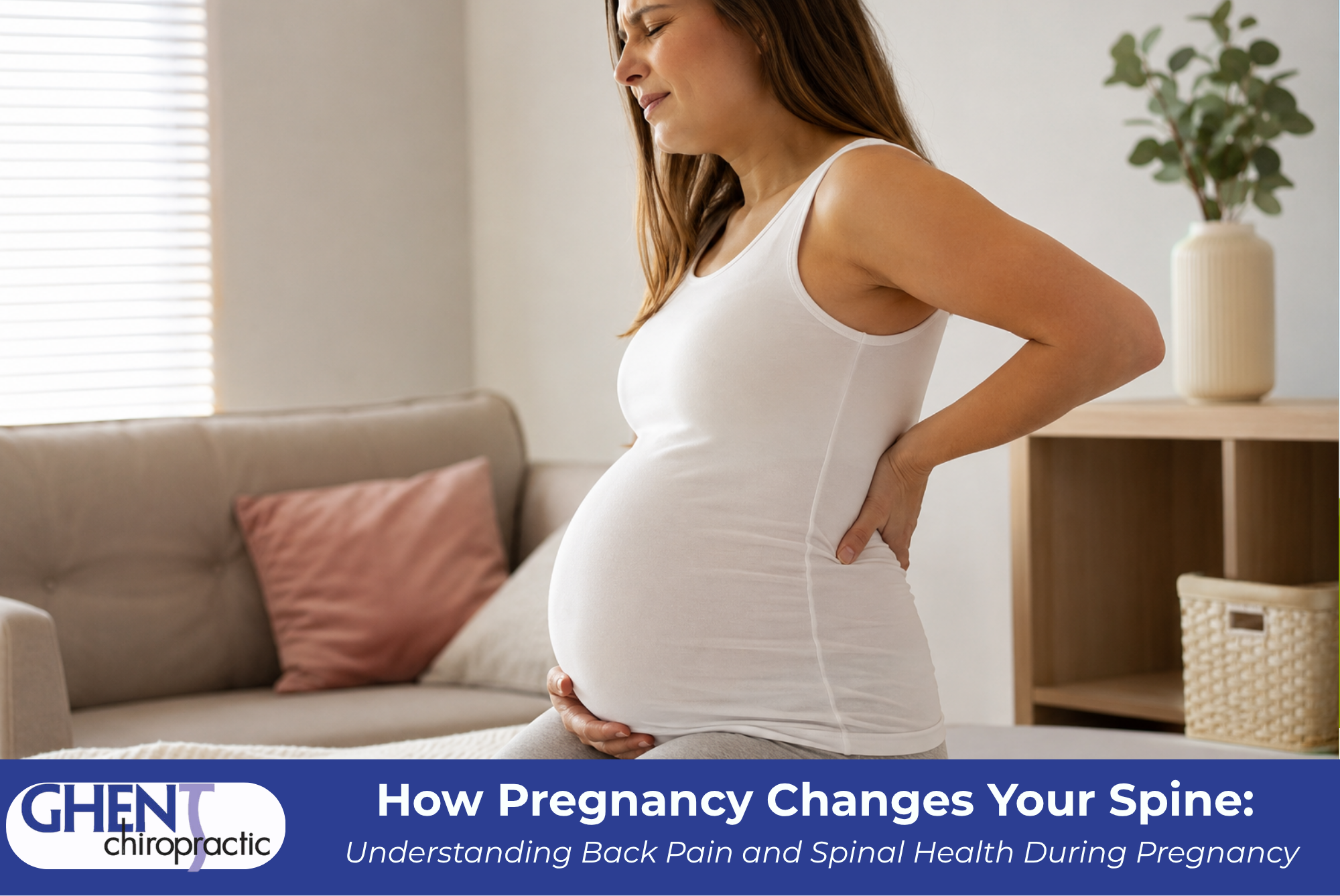
Pregnancy is an incredible journey that brings exciting changes to a woman’s body. While many expectant mothers focus on their growing baby bump, one of the most significant transformations occurs within the spine and musculoskeletal system. As the body adapts to support a developing baby, changes in posture, weight distribution, hormones, and joint stability can place additional stress on the spine, often leading to discomfort and pain.
At Ghent Chiropractic, we understand the unique challenges pregnancy can present. Our goal is to help expectant mothers maintain comfort, mobility, and overall wellness throughout every stage of pregnancy.
Why Pregnancy Affects the Spine
The spine serves as the body’s primary support structure. During pregnancy, several physiological changes directly impact spinal alignment and function.
1. Weight Gain Increases Spinal Stress
As pregnancy progresses, healthy weight gain is expected and necessary. However, the additional weight places greater pressure on the spine, especially the lower back (lumbar spine).
This increased load can:
- Compress spinal joints
- Strain supporting muscles
- Increase lower back discomfort
- Contribute to postural imbalances
Many women begin noticing back pain during the second and third trimesters as their center of gravity shifts forward.
2. Your Center of Gravity Changes
As the baby grows, the abdomen expands and causes the body’s center of gravity to move forward.
To compensate, many women naturally:
- Lean backward
- Increase the arch in their lower back
- Shift weight onto their heels
- Alter their walking patterns
These adjustments can place excess stress on the lumbar spine, pelvis, hips, and surrounding muscles.
3. Hormonal Changes Affect Joint Stability
During pregnancy, the body produces a hormone called relaxin. Relaxin helps prepare the pelvis and birth canal for delivery by loosening ligaments and connective tissues.
While necessary for childbirth, relaxin can also:
- Reduce joint stability
- Increase spinal mobility
- Make the pelvis more vulnerable to misalignment
- Lead to muscle strain as muscles work harder to stabilize joints
These changes may contribute to discomfort throughout the lower back and pelvis.
4. Postural Changes Become More Pronounced
As pregnancy advances, posture often changes significantly.
Common postural adaptations include:
- Forward head posture
- Rounded shoulders
- Increased lumbar lordosis (lower back arch)
- Anterior pelvic tilt
Poor posture can increase muscle fatigue and place additional stress on spinal structures, contributing to chronic discomfort.
5. Pelvic Changes Influence Spinal Alignment
The pelvis plays a crucial role in supporting both the spine and the growing baby.
As ligaments loosen and the baby develops, the pelvis may experience:
- Increased mobility
- Uneven positioning
- Sacroiliac (SI) joint dysfunction
- Pelvic girdle pain
When pelvic alignment changes, spinal alignment often changes as well, leading to discomfort in the back, hips, and legs.
Common Pregnancy-Related Spine Symptoms
Pregnant women may experience a variety of symptoms related to spinal and pelvic changes, including:
- Lower back pain
- Mid-back discomfort
- Neck and shoulder tension
- Hip pain
- Pelvic pain
- Sciatica
- Muscle tightness
- Difficulty standing for long periods
- Pain when walking or sleeping
These symptoms may range from mild discomfort to significant limitations in daily activities.
Understanding Pregnancy-Related Sciatica
Sciatica occurs when irritation or pressure affects the sciatic nerve, which travels from the lower back through the hips and down the legs.
Pregnancy can contribute to sciatica due to:
- Changes in posture
- Pelvic misalignment
- Muscle tension
- Increased pressure within the pelvis
Symptoms may include:
- Shooting pain down one leg
- Tingling sensations
- Numbness
- Burning discomfort
- Muscle weakness
Proper evaluation can help determine the underlying cause and guide appropriate treatment options.
How Chiropractic Care Can Help During Pregnancy
Chiropractic care focuses on maintaining proper spinal and pelvic alignment, helping the body function more efficiently throughout pregnancy.
Many pregnant women seek chiropractic care to address:
- Back pain
- Pelvic discomfort
- Hip pain
- Sciatica
- Postural issues
- Joint stiffness
Pregnancy-specific chiropractic techniques are gentle, safe, and designed to accommodate the changing needs of expectant mothers.
Potential Benefits of Prenatal Chiropractic Care
Many patients report benefits such as:
- Reduced back pain
- Improved mobility
- Better posture
- Less pelvic discomfort
- Improved comfort while sleeping
- Enhanced overall wellness during pregnancy
Each treatment plan is individualized based on the patient’s needs and stage of pregnancy.
Tips for Supporting Your Spine During Pregnancy
In addition to professional care, there are several ways to support spinal health throughout pregnancy:
Maintain Good Posture
Focus on:
- Keeping shoulders back
- Avoiding slouching
- Standing evenly on both feet
- Using supportive seating
Stay Physically Active
Appropriate prenatal exercise may help:
- Strengthen core muscles
- Improve flexibility
- Reduce back pain
- Enhance circulation
Always consult your healthcare provider before beginning a new exercise program.
Sleep Strategically
Many healthcare providers recommend sleeping on your side with:
- A pillow between your knees
- Additional support under your abdomen if needed
Proper sleep positioning can reduce spinal stress and improve comfort.
Wear Supportive Footwear
Supportive shoes help improve alignment and reduce strain on the lower back and pelvis.
Lift Carefully
Avoid lifting heavy objects whenever possible. When lifting, bend at the knees rather than the waist and keep objects close to your body.
When Should You Seek Professional Care?
While some discomfort during pregnancy is common, persistent or worsening symptoms should be evaluated.
Consider seeking professional care if you experience:
- Severe back pain
- Persistent pelvic pain
- Sciatica symptoms
- Difficulty walking
- Numbness or tingling
- Significant changes in mobility
Early intervention may help prevent symptoms from becoming more severe.
Comprehensive Pregnancy and Spine Q&A
Is back pain normal during pregnancy?
Yes. Back pain is one of the most common pregnancy-related complaints. Hormonal changes, weight gain, postural shifts, and pelvic instability all contribute to spinal stress.
When does pregnancy back pain usually start?
Many women begin experiencing back pain during the second trimester, although some notice symptoms earlier.
Why does pregnancy cause lower back pain?
The growing baby shifts the body’s center of gravity forward, increasing stress on the lower back and surrounding muscles.
Can pregnancy affect spinal alignment?
Yes. Hormonal changes, weight distribution, and pelvic adjustments can all influence spinal alignment during pregnancy.
What is pelvic girdle pain?
Pelvic girdle pain refers to discomfort around the pelvic joints and ligaments. It is often caused by increased mobility and instability during pregnancy.
Is sciatica common during pregnancy?
Yes. Some women experience sciatica due to pressure on nerves, muscle tension, or pelvic changes.
Is chiropractic care safe during pregnancy?
Many chiropractors use specialized prenatal techniques designed specifically for pregnant patients. Treatment plans are customized based on individual needs and circumstances.
Can chiropractic care help with pregnancy-related back pain?
Many pregnant women seek chiropractic care to help manage back pain, pelvic discomfort, and mobility concerns throughout pregnancy.
Can posture affect pregnancy discomfort?
Absolutely. Poor posture can increase stress on the spine and muscles, contributing to discomfort.
How can I improve my posture while pregnant?
Focus on standing tall, keeping shoulders back, avoiding prolonged sitting, and using supportive seating when possible.
Can pregnancy permanently change my spine?
Most pregnancy-related spinal changes gradually improve after delivery. However, maintaining good posture and spinal health during pregnancy can support recovery.
When should I contact a healthcare professional about pregnancy back pain?
You should seek evaluation if pain becomes severe, persistent, interferes with daily activities, or is accompanied by numbness, weakness, or other concerning symptoms.
Supporting a Healthier Pregnancy
Pregnancy places extraordinary demands on the body, particularly the spine and pelvis. Understanding these changes can help expectant mothers make informed decisions about their health and comfort throughout pregnancy.
At Ghent Chiropractic, we are committed to helping patients navigate the physical challenges of pregnancy through personalized chiropractic care and wellness-focused support. If you’re experiencing pregnancy-related back pain, pelvic discomfort, or mobility concerns, our team is here to help.
Contact Ghent Chiropractic
Ghent Chiropractic
250 W Brambleton Ave, Suite 102
Norfolk, VA 23510
Phone: (757) 622-1222
Website: https://ghentchiro.com/
Request An Appointment: https://ghentchiro.com/appointments/